Posts

Showing posts with the label LPS Coral in Canada

Advantages of LPS Corals for beginners
Image
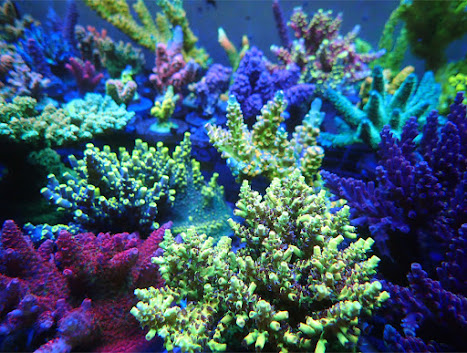
LPS coral is a type of coral that live in the ocean. The name stands for Large Polyp Stony, which is what it looks like. Most of these corals are easy to care for and come in all different kinds. The LPS coral (also known as deep water coral) is typically found in the tropical and subtropical waters of the Pacific Oceans, as well as in some Caribbean countries. The definition of a coral includes the other coralline algae that occur with it, and it's no surprise that this definition often excludes those algae which are algae. As the name suggests, these corals live primarily at depths of more than 200 meters in the ocean. Here are a few advantages of LPS coral if you are a beginner at this. LPS corals don't need as much light LPS corals are more tolerant of light intensity. Most LPS corals come from the Red Sea and live in deeper waters, so they can tolerate low light levels without damaging their health or colouration. As a result, you can keep your LPS coral in a tank with le...

A Brief Overview of Hammer Coral in Canada

Image
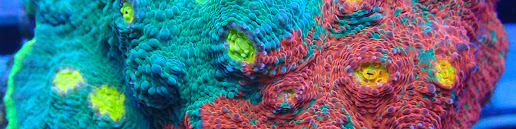
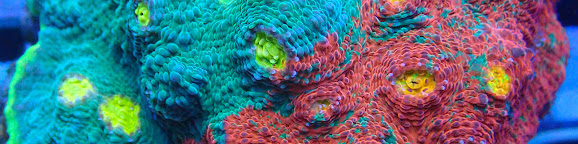
The Hammer Coral is an example of the genus of corals known as LPS corals. These initials, "big polyp stony," describe a type of coral characterized by a tough, rocky exterior and the production of massive polyps that grow from the coral's stony, rigid foundation. In this blog, you will learn about the Hammer Coral in Canada and how to care for it in an aquarium properly. Overview To secure objects to the seafloor, the tentacles of Hammer Coral have another name: Anchor Coral. A member of the family Caryophyllidae Rock-like in appearance, Hammer Coral in Canada is an LPS. Coral's stony texture and stable foundation are the results of calcification. Hammer Coral is entirely covered in polyps. Polyps spread out from the rigid base. They move around the aquarium with the help of the current. Strike a Blow to Coral (Euphyllia ancora) The northern Ocean is the source of this coral. Routine Behaviour Hammer Coral may seem like an unusual example in the ongoing "pl...

Hammer Coral Treatment for Happy Reefing

Image
Hammer corals are a well-known large polyp stony coral (LPS) that has been popular in the hobby for many years. They can be found in various colours and growth forms throughout the Pacific reefs. Some hammer corals grow in a wall formation, while others grow in a branching formation. Either variety makes an excellent showpiece coral for a reef aquarium, but the branching varieties grow faster. Please see below for additional hammer coral care tips, as well as our Top 5 Suggestions for Setting Up a Reef with hammer coral in Canada : Lighting Light is not as important to hammer coral, Torches, and Frogspawn as it is to some other corals. It can be kept under normal output fluorescent lights with little difficulty. Flow of water Water movement ranging from moderate to vigorous is recommended. One of the most appealing aspects of this type of LPS coral is the way it sways in the current. The chemistry of water To grow their calcium carbonate skeletons, hammer corals require constant calciu...

Three Best LPS Coral Every Beginner Must Invest In

Image
Are you just getting started as a coral hobbyist? Well, we are sure you must have prepared yourself with the right knowledge on how to get started, what to do and what not to make the corals thrive. But were you completely taken aback by the number of LPS coral options available to begin the journey? Let us help you here. Below is the list of the top three best LPS corals for beginners that make the journey worthy. Hammer coral Sometimes referred to as anchor coral, hammer coral comes in various colours and adds a lot of motion to the reef tank. They can be slightly more demanding than any other LPS corals; therefore, offering a recommended dose of calcium, alkalinity, and other elements is vital. Also, keep enough room when placing hammer corals with neighbouring corals because their tentacles can reach up to six inches at night. Candy cane coral Candy cane corals are also known as trumpet corals. They aren’t very demanding, meaning they adapt well in any reef aquarium, irrespective ...